

29/06/2026
How TechCloud ERP Actually Helps You Scale Without the Chaos
View More
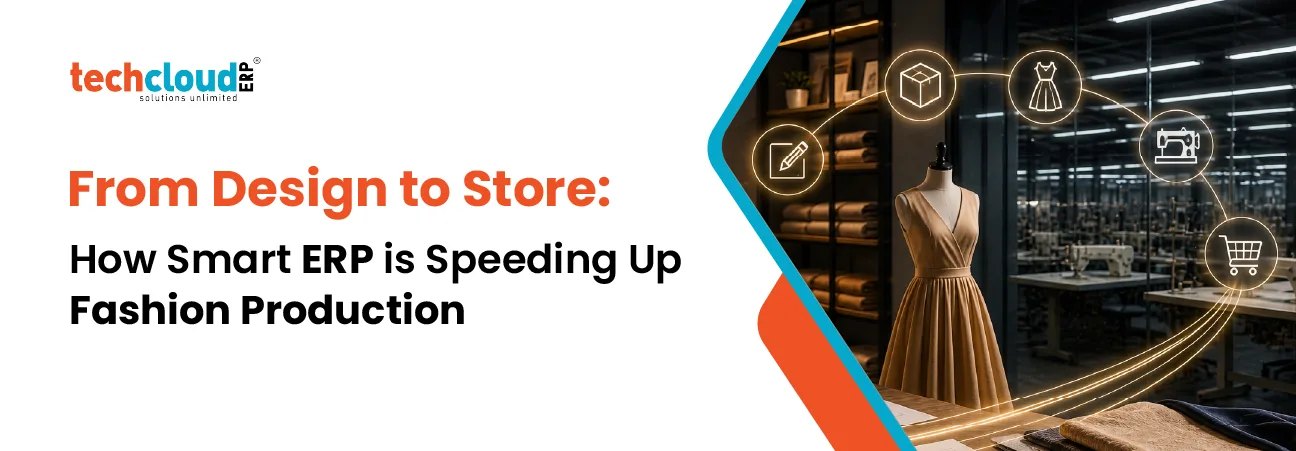
Have you ever noticed how some brands turn a trending design into store-ready products in just a few weeks?
It’s not luck—it’s smart systems working behind the scenes. For modern brands, ERP for fashion industry acts like a central engine that connects design, production and delivery. It helps everyone—from designers to factory teams—stay on the same page without endless emails or confusion.
It starts by turning creative ideas into clear, data-driven plans. With clothing business ERP software, you can instantly check fabric availability, supplier timelines and production capacity. Instead of guessing deadlines, you get real visibility into every stage of the process.
This kind of control is what helps brands stay relevant in an industry that changes almost every day.
To stay ahead, you need more than creativity—you need control over your operations.
With the best ERP software for textiles, you can track every detail, from raw materials to finished products, in real time. When your data is centralized, you can quickly spot delays and fix them before they affect your launch.
Using ERP software for clothing brands and manufacturers connects your design team directly with your production floor. It turns a busy, chaotic workflow into something smooth and manageable.
Here are the key areas that help speed up your production:
Track all raw fabric availability across all global suppliers instantly.
Sync design specs directly with the production line to avoid errors.
Know exactly what’s in the warehouse at any second of the day.
Set automated checkpoints to catch defects early in the sewing process.
Manage all supplier chats, quotes and orders in one central system.
Speed up the journey from the factory box to the customer’s doorstep.
In fashion, timing is everything.
Proper production scheduling in apparel industry helps you balance machine usage, labor and deadlines. With retail ERP solutions, you can connect store demand directly with factory production, creating a smooth flow from supply to sales.
Use ERP solutions for apparel manufacturing companies to plan out every shift and machine use to avoid any idle time on the floor.
Automatically calculate the true cost of a garment, including labor, shipping and materials, to ensure your margins stay healthy.
Utilize the specialized Textile ERP software to manage fabric shrinkage, dye lots and waste reduction during the cutting process.
Keep your online store and physical boutiques perfectly synced so you never oversell an item that’s still on the sewing machine.
In today’s fast-moving fashion world, speed makes all the difference.
By using a smart, connected ERP system, you are not just improving production—you are building a brand that can respond quickly to trends and customer demand.
With Smart ERP, your business becomes more flexible, more efficient
and ready for the future of fashion.
By automating production scheduling in apparel industry, the software removes manual bottlenecks, allowing designs to move to manufacturing in half the usual time.
Yes, ERP software for clothing brands and manufacturers is built to give you a "bird's-eye view" of every production hub you work with, no matter where they are.
Absolutely. By using Textile ERP software to track fabric usage accurately, you can significantly reduce material waste and optimize your inventory levels.

