

29/06/2026
How TechCloud ERP Actually Helps You Scale Without the Chaos
View More
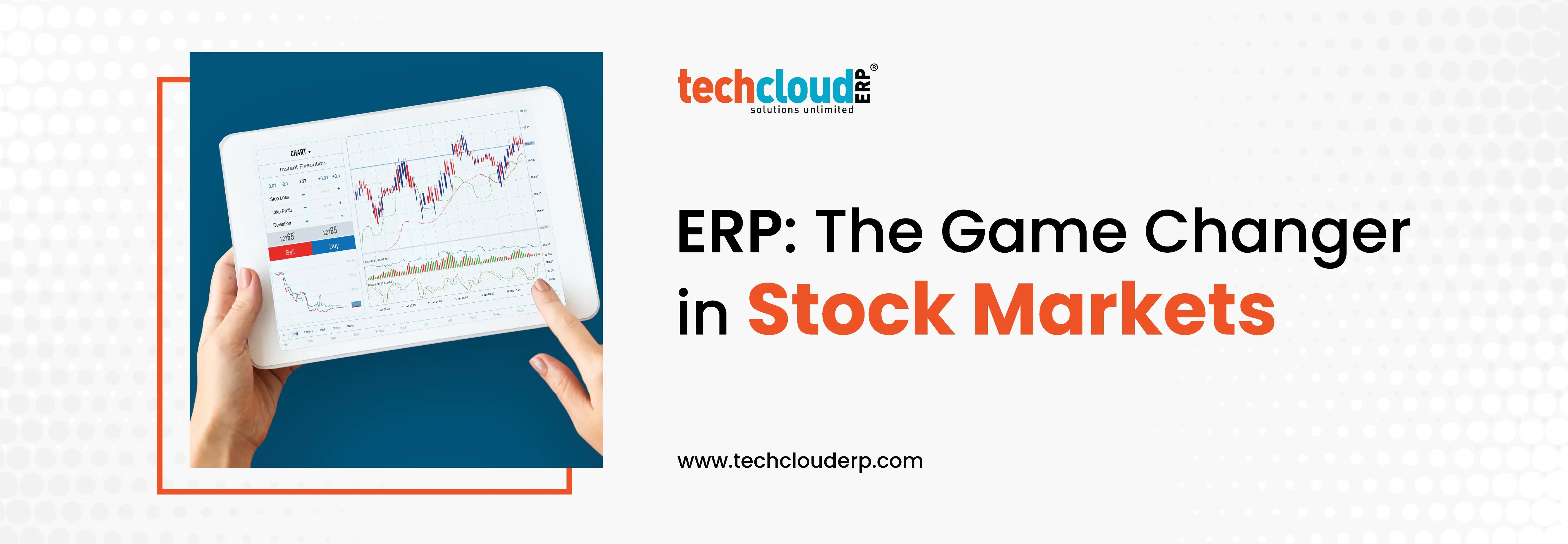
Running a business today is no longer about guesswork, it’s about clarity, timing and having the right data. That’s where ERP software plays a crucial role. It helps businesses track performance, manage operations and maintain financial accuracy in real time.
At the same time, external market forces like the equity risk premium influence how investors see your business. When internal systems are strong and transparent, businesses are better positioned to handle uncertainty and build long-term trust and long term growth.
ERP systems help businesses create a strong foundation by improving visibility across departments. With better data workflow and accurate reporting, companies can reduce confusion and operate more efficiently in a competitive environment.
Investors pay close attention to how well a company manages its internal processes. A business that uses ERP software effectively often appears more reliable, which can lead to better investor confidence and stable market performance.
Track financial performance instantly and make decisions based on accurate data.
Streamline processes and reduce delays across departments.
Minimize errors and improve control over operations.
Access reliable insights that support faster and smarter actions.
Transparent systems help build trust with stakeholders.
Maintain stability with structured and well-managed processes.
The equity risk premium reflects the extra return investors expect when choosing stocks over safer investments. When uncertainty increases, this premium rises and businesses must work harder to maintain their attractiveness in the market.
This is where strong internal systems and awareness of market trends come together. Following top ERP trends for 2026 and maintaining clear financial data helps businesses stay prepared, even during volatile conditions.
Keep track of long-term rates as they influence investor expectations and stock valuations.
Ensure all business data is accurate, clear and easily accessible for better decision-making.
Leverage modern ERP tools for faster insights and improved performance tracking.
Regularly observe investor sentiment and global financial changes to stay prepared.
Building Stronger Businesses in Uncertain Markets
The connection between internal systems and market behavior is stronger than ever. Businesses that invest in structured operations and understand market risks can create long-term value and stability.
Whether working with the best ERP software development in India, exploring ERP software development in the USA, or implementing ERP software in UAE, the focus remains the same and building transparency, improving efficiency and strengthening market confidence.
ERP software does not directly increase stock prices, but it improves efficiency, reduces risks and builds transparency, which can positively influence investor confidence over time.
The equity risk premium shows how much extra return investors expect for taking risks. It helps businesses understand market expectations and plan accordingly.
No, ERP solutions vary by region. Different markets have unique requirements like tax rules, compliance and currency management, which ERP systems must support.

